Losing weight can be a challenging journey. While diet and exercise remain cornerstones of a successful weight loss plan, some individuals explore alternative approaches. Low-dose naltrexone (LDN), a medication typically used to treat opioid addiction, has garnered attention for its potential role in weight management. This review article provides a practical guide to understanding LDN's potential benefits, risks, and safe usage for weight loss. However, it's crucial to remember that LDN is not an FDA-approved weight loss drug, and its use should always be under the strict guidance of a healthcare professional.
Understanding LDN's Potential Role in Weight Loss
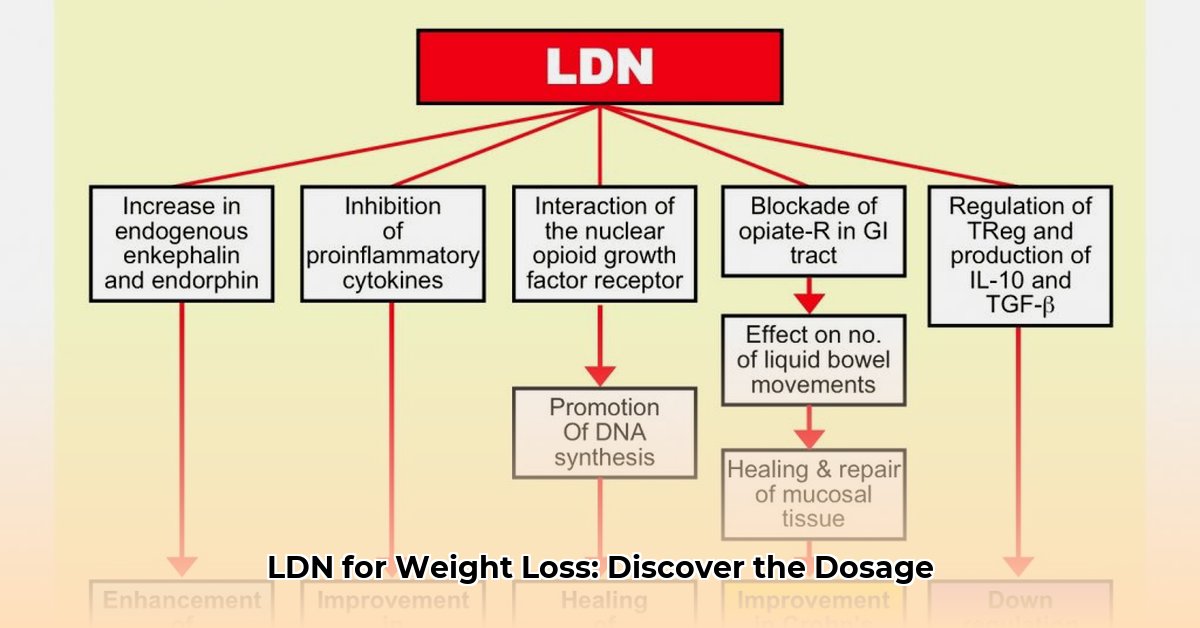
LDN's purported mechanism of action in weight loss is complex and not fully understood. Research suggests it may influence the body's opioid system, impacting aspects like appetite regulation, inflammation, and insulin sensitivity. Improved insulin sensitivity, in particular, could facilitate better blood sugar control and potentially contribute to weight loss.
However, it's vital to acknowledge the limitations of current research. Many studies investigating LDN and weight loss involve small sample sizes or have methodological limitations. While some studies suggest potential benefits, these findings require further validation in larger, more rigorous clinical trials. Therefore, it is crucial to approach LDN's role in weight loss with a degree of caution and healthy skepticism. The existing evidence warrants further study before definitive conclusions can be drawn.
Determining the Right LDN Dosage for Weight Loss
Finding the optimal LDN dosage is highly individual and necessitates close collaboration with a healthcare provider. Current research suggests a dosage range between 1.5mg and 4.5mg daily. However, this is merely a starting point. Your doctor will consider your individual health profile, metabolic factors, and response to the medication to determine the most suitable dosage for you. Self-treating with LDN is dangerous and could lead to adverse health consequences.
"It is imperative that individuals do not attempt to self-prescribe LDN for weight loss," advises Dr. Anya Sharma, Endocrinologist at the University of California, San Francisco. "The appropriate dosage must be carefully determined and monitored by a qualified healthcare professional."
A Balanced Perspective: Potential Benefits and Risks
Before considering LDN for weight loss, it's important to understand both the potential benefits and associated risks. Remember, individual responses vary greatly.
Potential Benefits:
- Appetite regulation: Some individuals report reduced food cravings and improved appetite control.
- Improved insulin sensitivity: This could result in better blood sugar control, contributing to weight management.
- Enhanced sleep quality: Improved sleep is crucial for weight management. LDN has been linked to better sleep in some individuals, potentially aiding in weight loss efforts.
Potential Risks:
- Lack of FDA approval for weight loss: LDN is not currently FDA-approved for weight loss.
- Potential side effects: These can vary significantly among individuals and include vivid dreams, fatigue, nausea, and anxiety.
- Need for medical supervision: Regular monitoring by a healthcare professional is essential to adjust dosage and manage potential side effects.
- Cost and access: LDN often needs compounding which can increase the expense and limit accessibility.
A Step-by-Step Guide to LDN Use (Under Doctor's Supervision)
1. Consultation with a healthcare professional: This is the most crucial step. Discuss your weight loss goals, health history, current medications, and any concerns with a qualified doctor.
2. Dosage determination: Your doctor will determine a safe and appropriate starting dosage based on your individual needs.
3. Ongoing monitoring and adjustments: Regular check-ups are essential to monitor your progress, adjust the dosage as needed, and manage any potential side effects.
4. Lifestyle modifications: Complementing LDN with a balanced diet and regular exercise is crucial for maximizing weight loss benefits. A holistic approach is key.
5. Long-term plan (if appropriate): If LDN proves effective and safe, your doctor will help you develop a sustainable long-term plan for its continued use.
Conclusion: LDN and Weight Loss – A Comprehensive Approach
Low-dose naltrexone (LDN) shows potential benefits in weight loss for some individuals, but it's not a standalone solution. It's essential to approach LDN use with realism, understanding its limitations, and always under the supervision of a qualified healthcare professional. A comprehensive approach combining LDN (if appropriate), dietary changes, regular exercise, and consistent medical monitoring provides the best chance for sustainable weight loss. Do not begin LDN therapy without first consulting your doctor. Your health is paramount.